
INTEURO – FAQ: Frequently Asked Questions
Find answers to the most frequently asked questions about participation in the “INTEURO Profession – programme for the professional and social activation of foreigners” project.
“`html
Below you will find answers to the most frequently asked questions about the “INTEURO Profession – programme for the professional and social activation of foreigners” project.
The project supports foreign women and men in their professional development, learning Polish, gaining a better understanding of the labour market in Poland, and becoming more professionally and socially active.
Participation in the project is free of charge. The project is intended for third-country nationals, meaning people from outside the European Union, EFTA and Switzerland, who are legally residing in Poland and are at least 15 years old.
Frequently Asked Questions
1. What is the INTEURO Profession project?
It is a project supporting foreign women and men in their professional, language and social development. It includes, among other things, counselling, training, Polish language courses, practical workshops, consultations, integration activities and support aimed at helping participants function more effectively in the Polish labour market.
2. Who implements the project?
The project is implemented by the Integration Europe – East Association in partnership with the University of the National Education Commission, Krakow – Institute of Law, Economics and Administration, the LEX Generalis Foundation, the Hope for the Family Association and MassInternet.
3. How is the project financed?
The project is financed by the Labour Fund under the Departmental Activation Programme for Foreigners for 2026.
4. Is participation in the project subject to a fee?
No. Participation in the project is free of charge for all participants.
5. Who can participate in the project?
The project is open to female and male third-country nationals, meaning foreigners from outside the European Union, EFTA and Switzerland, who do not hold Polish citizenship, are at least 15 years old, legally reside in Poland and need support with professional activation, learning Polish or social participation.
6. Can people with Polish citizenship become project participants?
No. Direct project participants must not hold Polish citizenship and must meet the remaining participation requirements.
7. What is the minimum age for participating in the project?
Direct project participants must be at least 15 years old. People under the age of 15 cannot be direct project participants, but they may benefit from the results of selected activities as indirect beneficiaries where a particular form of activity allows this.
8. Where is the project implemented?
The project is implemented primarily in the Świętokrzyskie and Małopolskie Voivodeships, including Kielce, Ostrowiec Świętokrzyski, Pińczów, Rżuchów and Krakow.
9. What support is available?
The project offers various forms of support, including skills assessment, career counselling, assistance in planning a development pathway, support with the recognition of qualifications, vocational training, Polish language courses, conversation meetings, practical workshops, consultations concerning employment rights and forms of association, study visits and integration activities.
10. What training courses and workshops are planned?
The project includes, among other activities, the “E-commerce Start” training course, the “Integrated Career Pathway: Customer Service and Digital Process Support” training course, sewing workshops, workshops on the maintenance of green spaces and small landscape architecture, anti-stress workshops, and the “Work Culture – functioning in the Polish work environment” training course.
11. How many forms of support can a participant receive?
A participant may be admitted to one or several forms of support. The scope of assistance depends on the person’s individual needs, the number of available places, the organisational capacity of the project and whether the support is consistent with the project’s objectives.
12. Does the project help participants find employment?
The project helps participants improve their prospects in the labour market, develop their professional, language and social skills, and prepare for employment in Poland.
13. How can I apply to participate in the project?
Applications may be submitted in person at the project contact point, by telephone, by e-mail, through the project website or during information activities organised by the project implementer and its partners.
14. What documents may be required?
A person interested in participating may be asked to provide, among other things, an application form or declaration of participation, a statement confirming that the participation requirements are met, a document or information confirming legal residence in Poland, a GDPR information notice and, in the case of a minor, the consent of a parent or legal guardian.
15. Does submitting an application guarantee admission to the project?
No. Submitting recruitment documents does not result in automatic admission to the project. The project team makes its decision on the basis of whether the participation requirements are met, the applicant’s needs, the availability of places and the organisational capacity of the project.
16. Who is given priority during recruitment?
Where the number of applications exceeds the number of available places, priority may be given to, among others, people seeking employment, people wishing to retrain, people with limited knowledge of Polish, young foreign nationals entering the labour market, women returning to the labour market, people with disabilities and people requiring urgent professional or social support.
17. Can a reserve list be created?
Yes. If the number of applications exceeds the number of available places, the project implementer may create a reserve list for people who meet the participation requirements but have not been admitted due to a lack of places.
18. What responsibilities do project participants have?
Participants undertake, among other things, to provide accurate information, comply with the participation rules, take part in the assigned forms of support, attend activities punctually, report absences or withdrawal, sign the required documents and cooperate with the project team, trainers, advisers and partners.
19. How is participation in the project documented?
Participation in the project must be documented. Participants may be asked to sign declarations of participation, attendance lists, counselling or consultation records, confirmations of receipt of materials, questionnaires, tests, evaluation forms or other documents related to the implementation of the project.
20. What happens if a participant does not sign the required documents?
Refusal to sign documents required for the implementation, monitoring or financial settlement of the project may result in the participant being unable to use a particular form of support or in their participation in the project being terminated.
21. Can a participant withdraw from the project?
Yes. Participants may withdraw from the project. Withdrawal should be reported to the project team in person, by telephone, by e-mail or in another agreed form. Participants are not charged any fees for withdrawing from the project.
22. When can the project implementer terminate a person’s participation?
The project implementer may terminate a person’s participation in cases including the provision of false information, failure to meet the participation requirements, repeated unjustified absences, loss of contact, a serious breach of the participation rules, behaviour that threatens the safety of others, or a violation of generally accepted standards of social conduct or applicable law.
23. Can people with disabilities participate in the project?
Yes. The project is implemented in accordance with the principles of equal treatment, non-discrimination and accessibility. People with specific needs, including people with disabilities, should inform the project team of any needs that may be relevant to the organisation of support.
24. Are my personal data protected?
Yes. The controller of participants’ personal data is the Integration Europe – East Association. The data are processed to the extent necessary for recruitment, the provision of support, documentation of participation, monitoring, reporting, inspection, archiving and compliance with obligations arising from the implementation of the public task.
25. In which languages is information available?
Services for participants may be provided in Polish, Ukrainian, Russian and English.
26. Where is the project contact point located?
The INTEURO contact point is located at 78A Sienkiewicza Street, 25-501 Kielce.
27. How can I contact the project team?
You can contact the INTEURO team by telephone, e-mail or through the project website.
Telephone: +48 789 051 963
E-mail: kontakt@siew.org.pl
Website: profesja.inteuro.info
Documents and contact details
Before applying to participate in the project, you should read the recruitment documents, the participation rules, the GDPR information notice and the Privacy Policy.
Go to the documents available for download
Do you have any additional questions?
Contact the INTEURO Profession team. We will help you check whether you are eligible to participate in the project and which form of support may be appropriate for you.
📞 Helpline: +48 789 051 963
✉️ E-mail: kontakt@siew.org.pl

Support is provided by the
Integration Europe – East Association
as part of the public task
“INTEURO Profession – programme for the professional and social activation of foreigners”.
The public task entitled “INTEURO Profession – programme for the professional and social activation of foreigners” was financed by the Labour Fund under the Departmental Activation Programme for Foreigners for 2026.
This material reflects the views of the author only. The Ministry of Family, Labour and Social Policy is not responsible for how the information contained in this material is used.
“`
Other posts
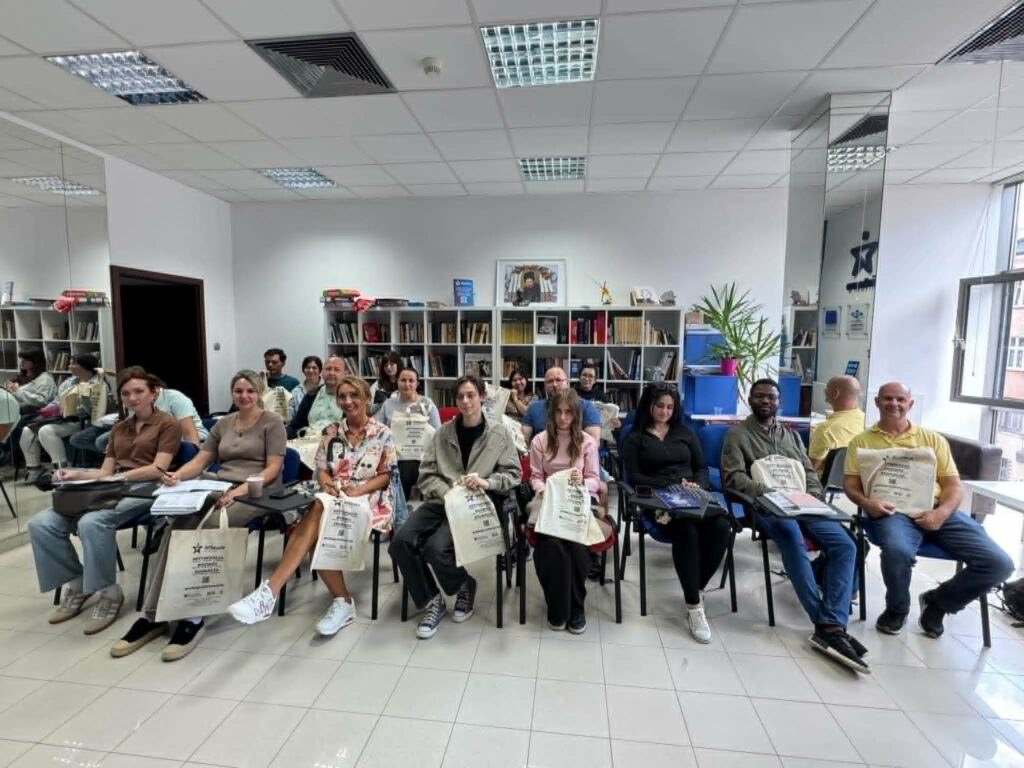
Free Polish language courses are underway for participants of the “INTEURO Profession” project

Your Career Path Starts with a Good Diagnosis – Free Career Counselling Is Underway in Kielce
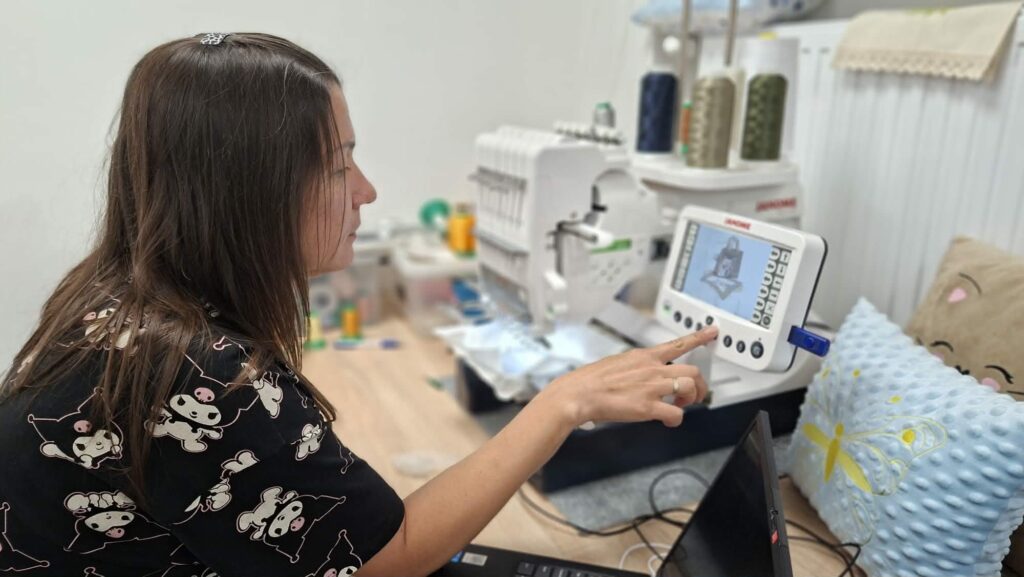
Tailoring in Practice – Vocational Workshops Have Started in Kielce
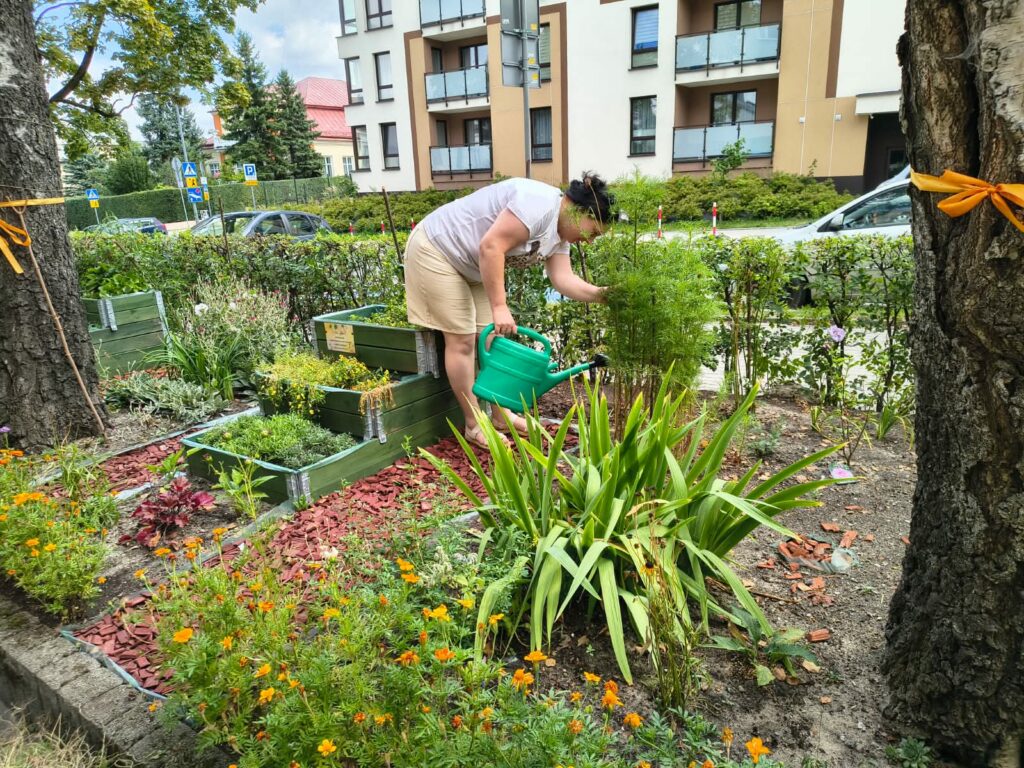
Green Area and Small Architecture Maintenance Workshops Have Started
Activity 1: Preparation for Employment and Professional Development