
Conversation that helps you find your way in Poland – INTEURO Profesja language sessions
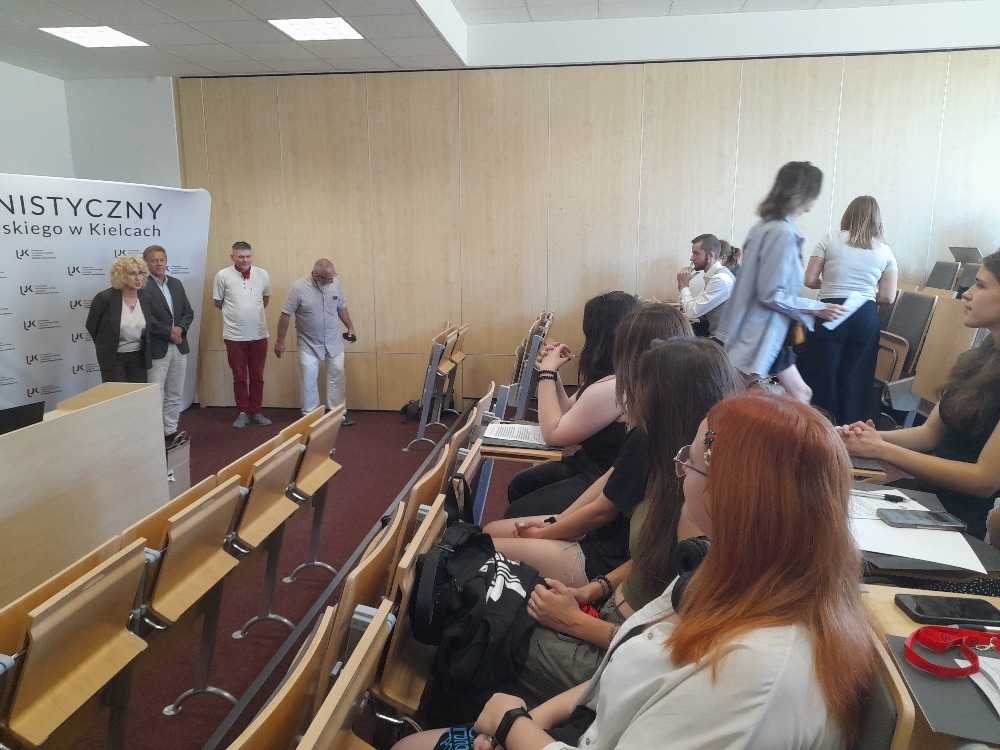
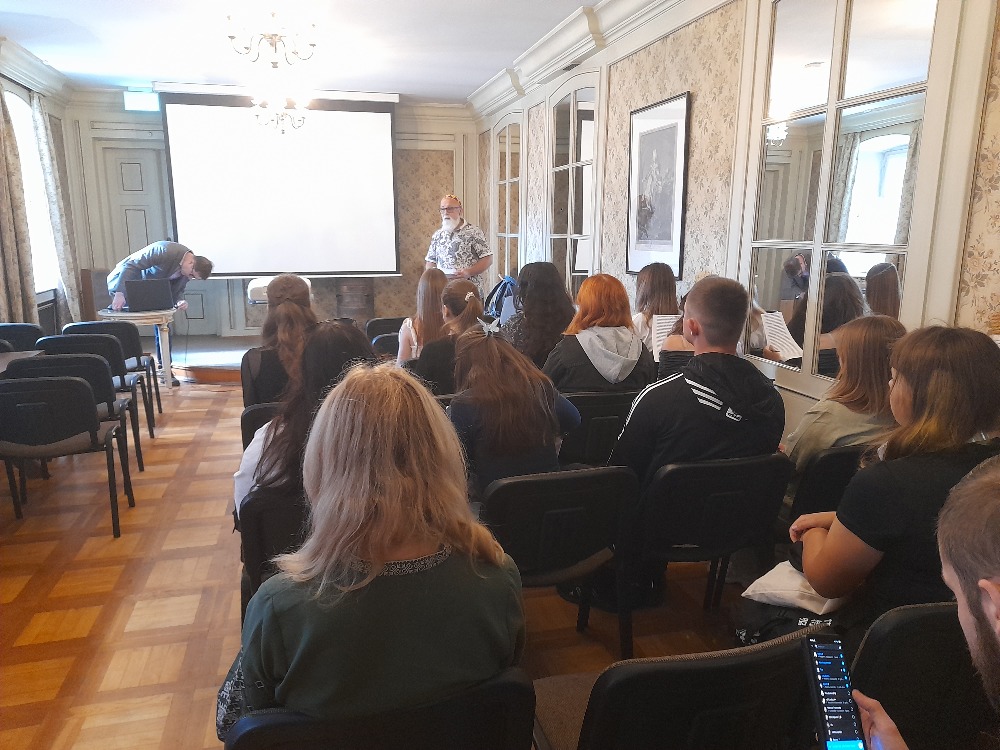
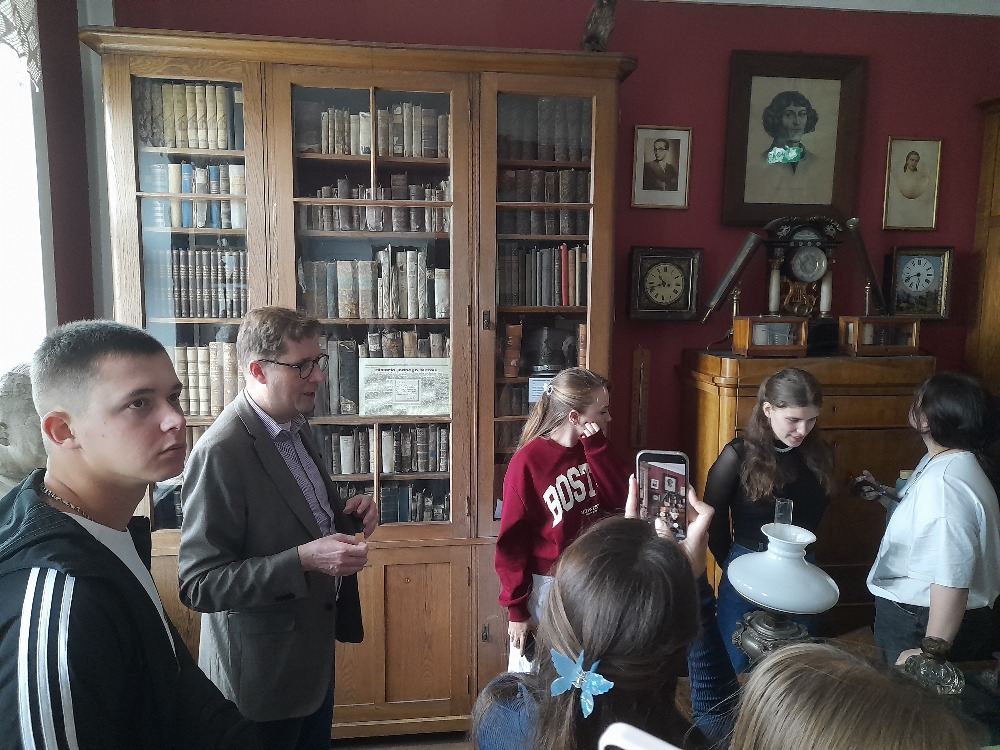
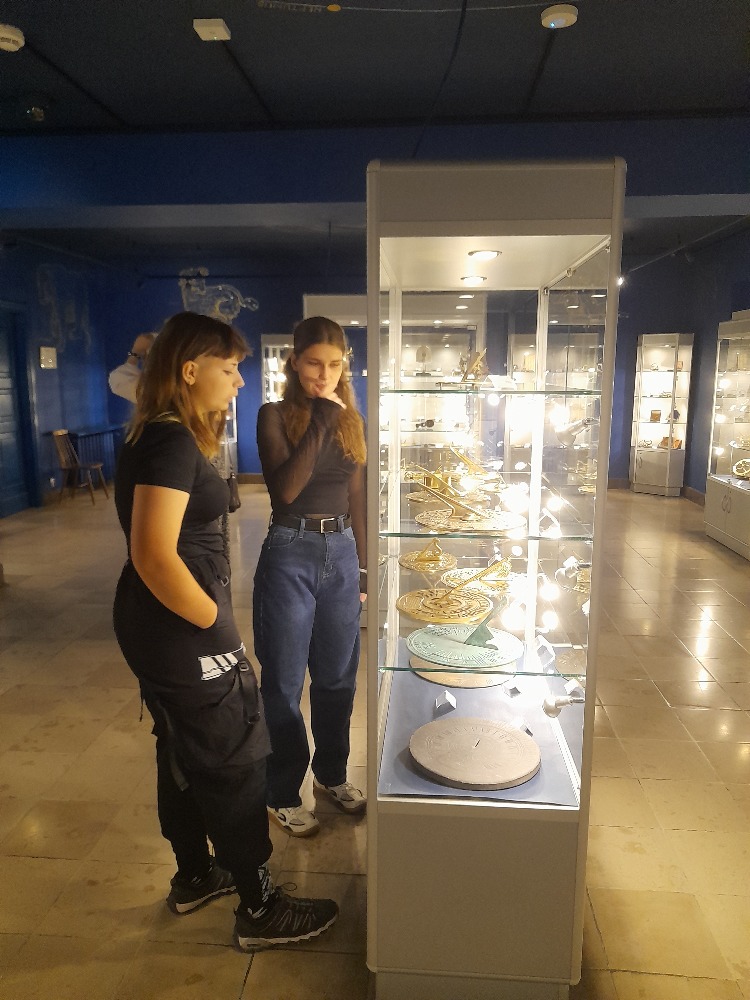
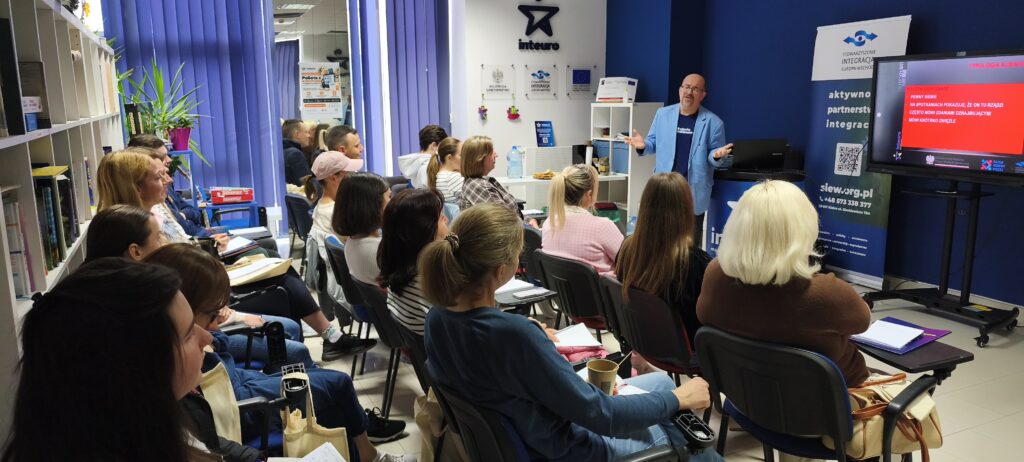
Free conversation, practical vocabulary and situations from everyday life – at the beginning of September, participants in the INTEURO Profesja project took part in language conversation sessions led by Prof. Oleg Leszczak of UJK.
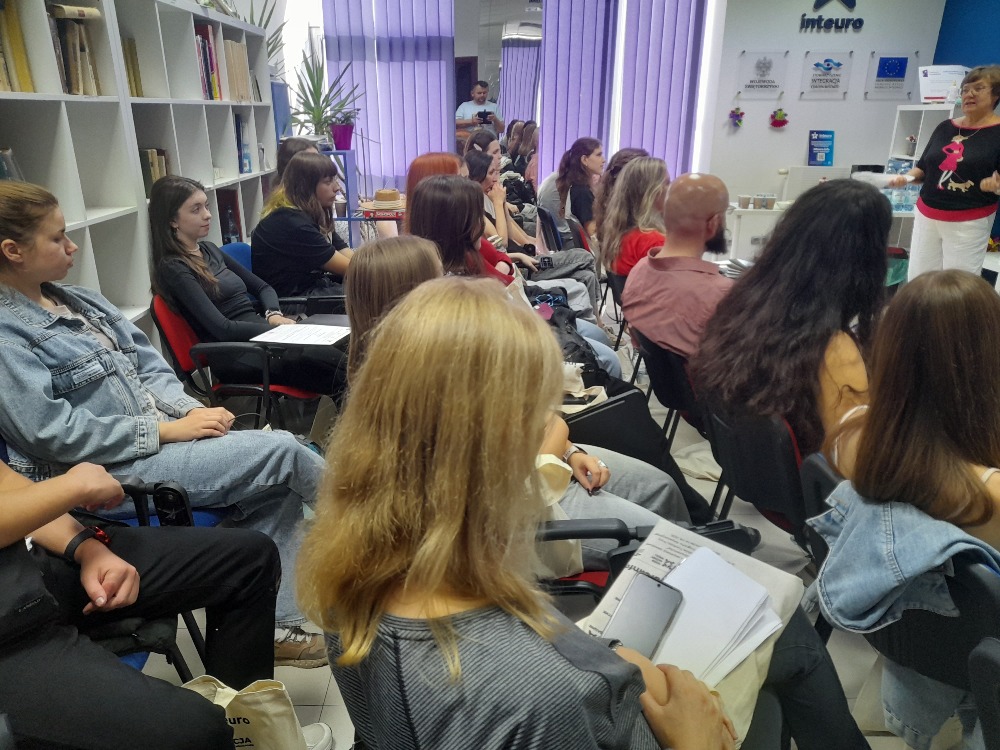
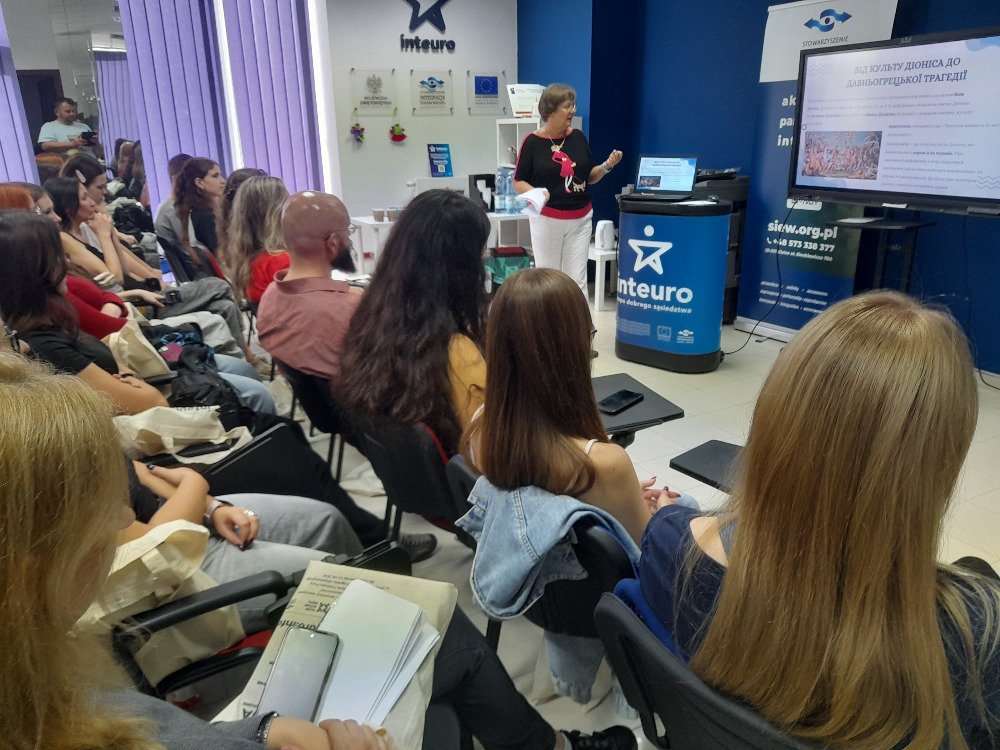
At the beginning of September, another activity supporting participants of the INTEURO Profesja project took place. This time, participants joined Polish-language conversation sessions for foreign residents, focused primarily on free communication, overcoming language barriers and using Polish in practical, everyday situations.
The meetings were held under the guidance of Prof. Oleg Leszczak of Jan Kochanowski University in Kielce. Their format was based on conversation, sharing experiences and active participation. Instead of a traditional language lesson, the emphasis was on speaking, listening, asking questions and responding in natural communication situations.
This is particularly important for people who already know the basics of Polish but still need greater confidence when speaking – at work, in public offices, in shops, during meetings with employers or in everyday contact with other people.
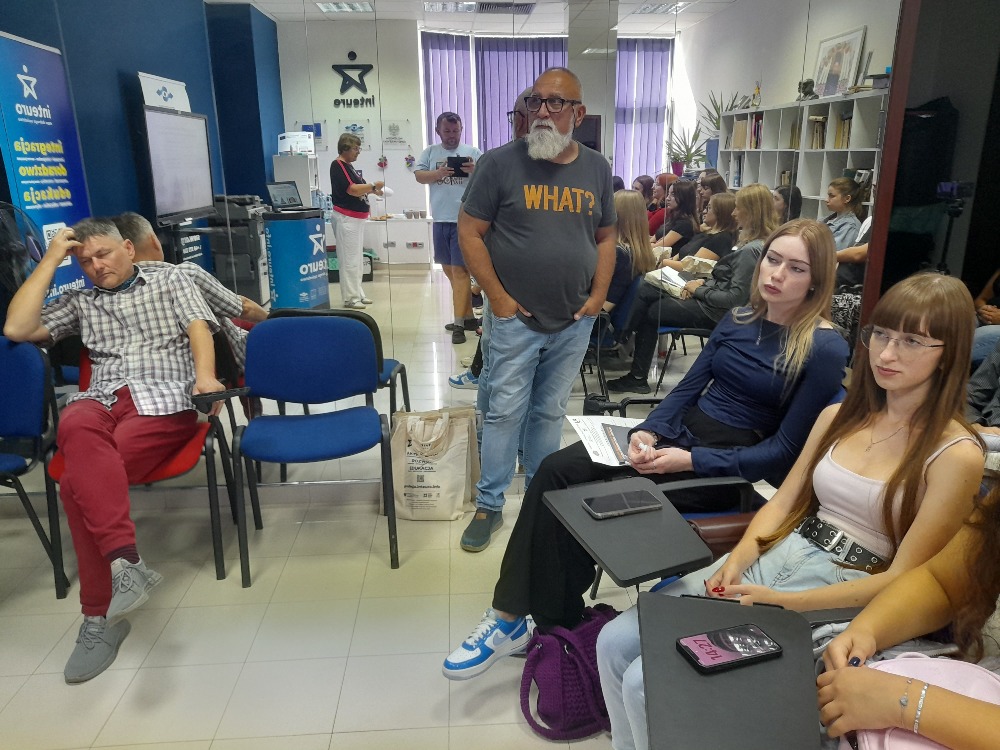
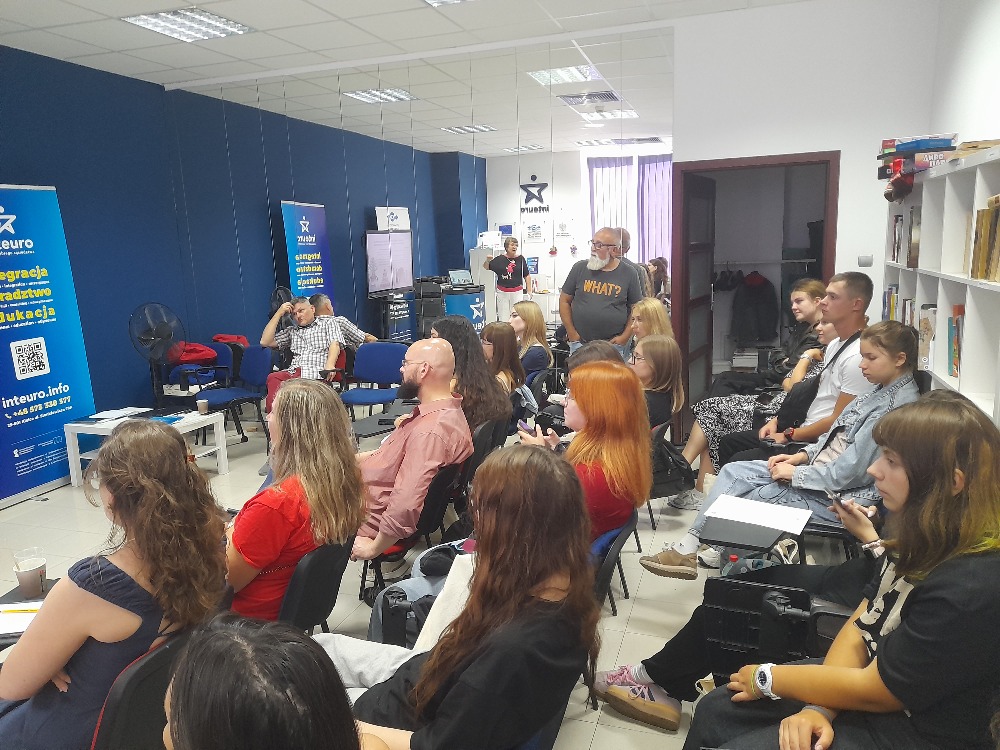
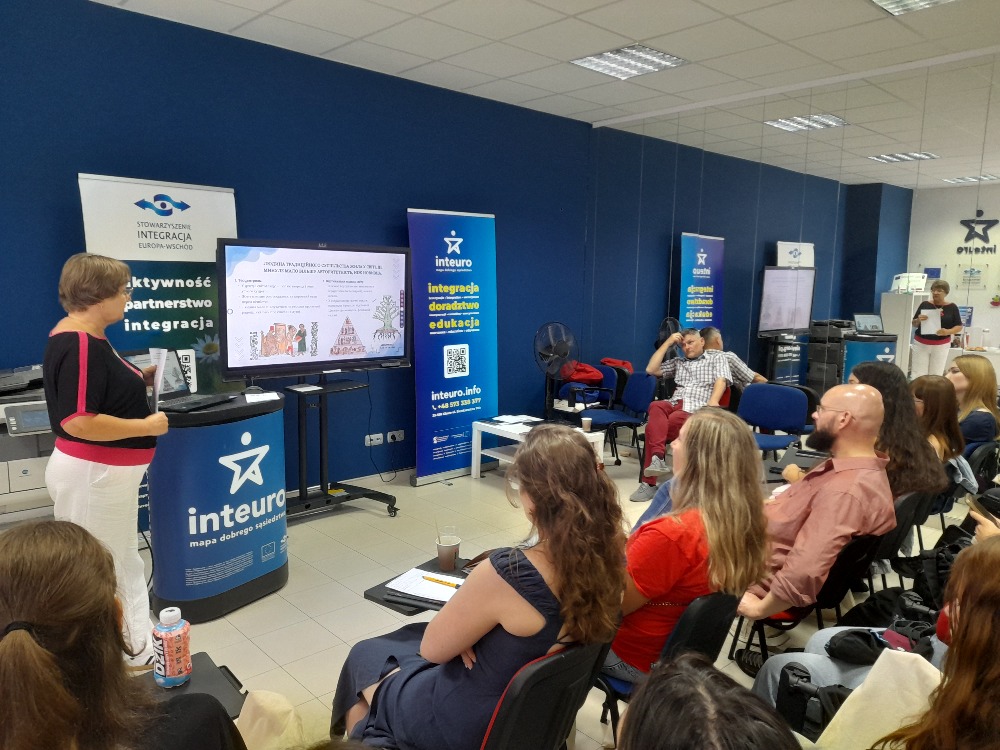
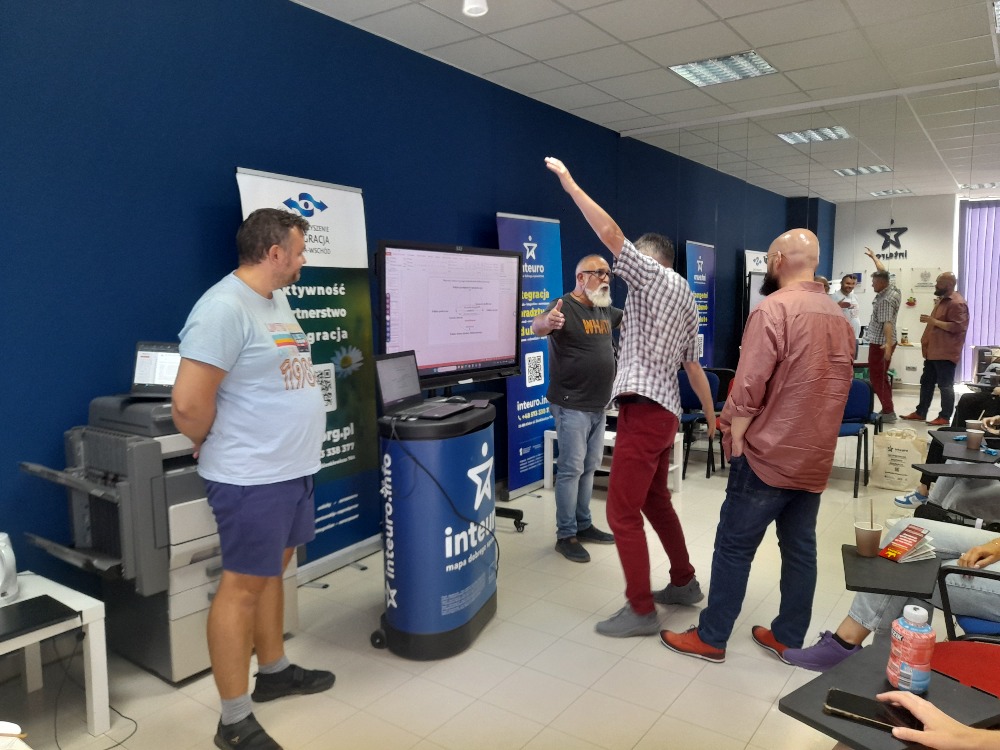
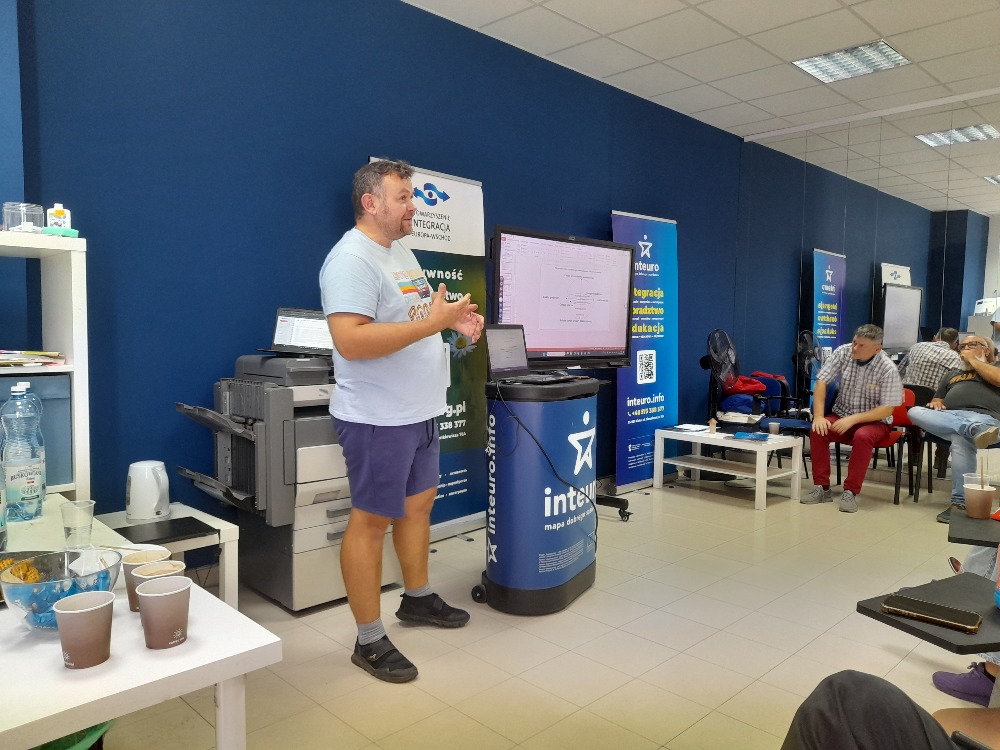
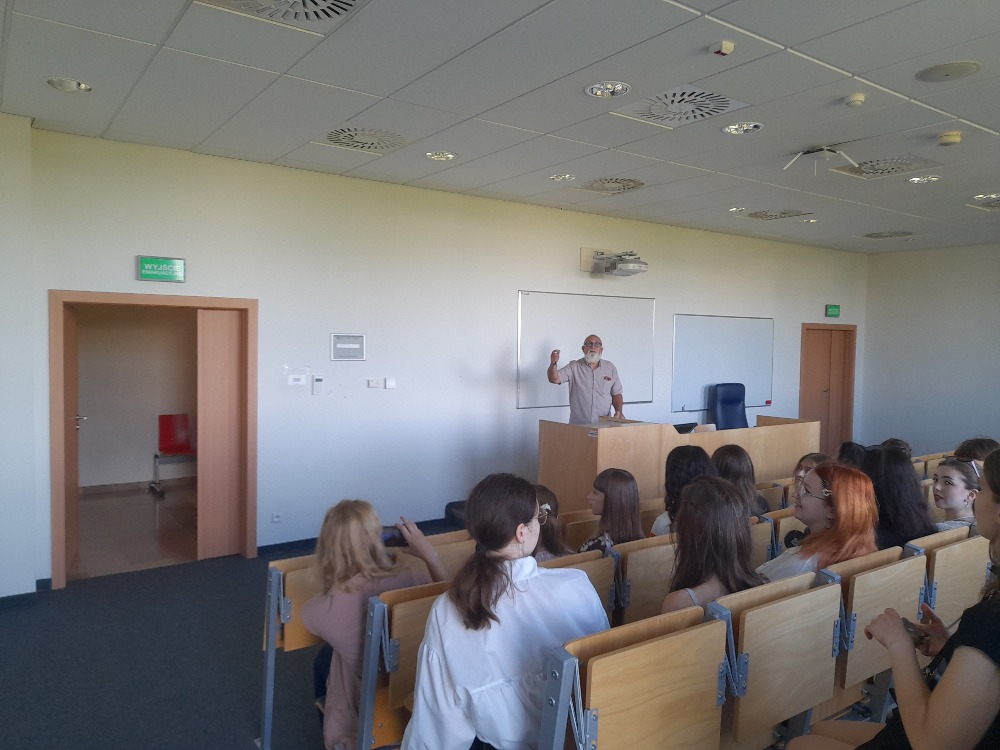
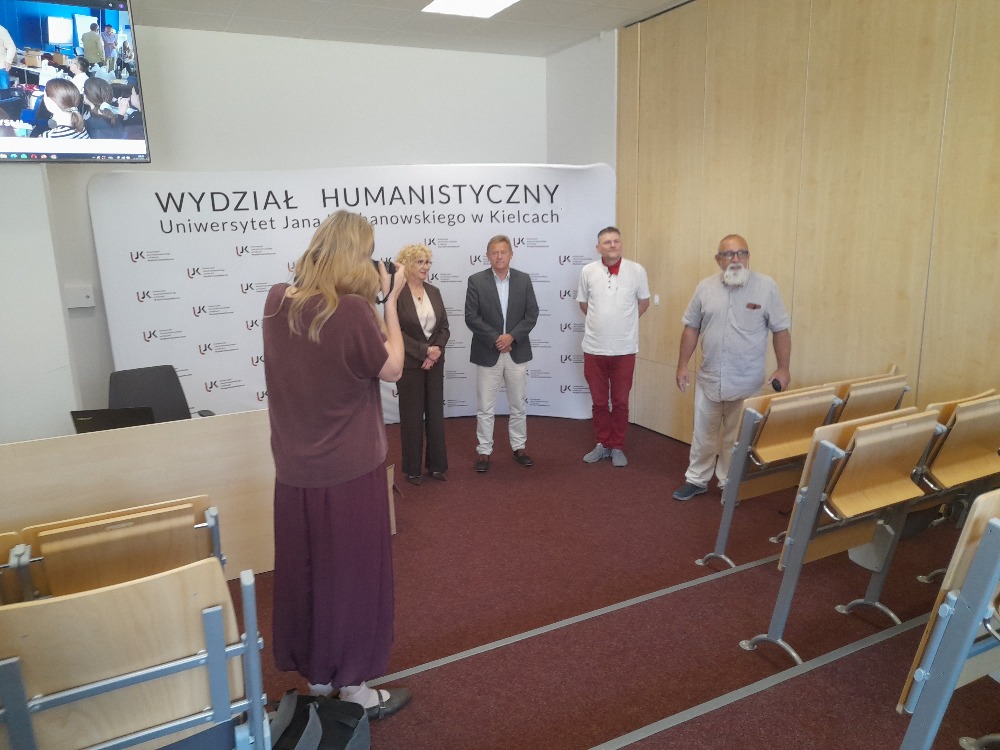
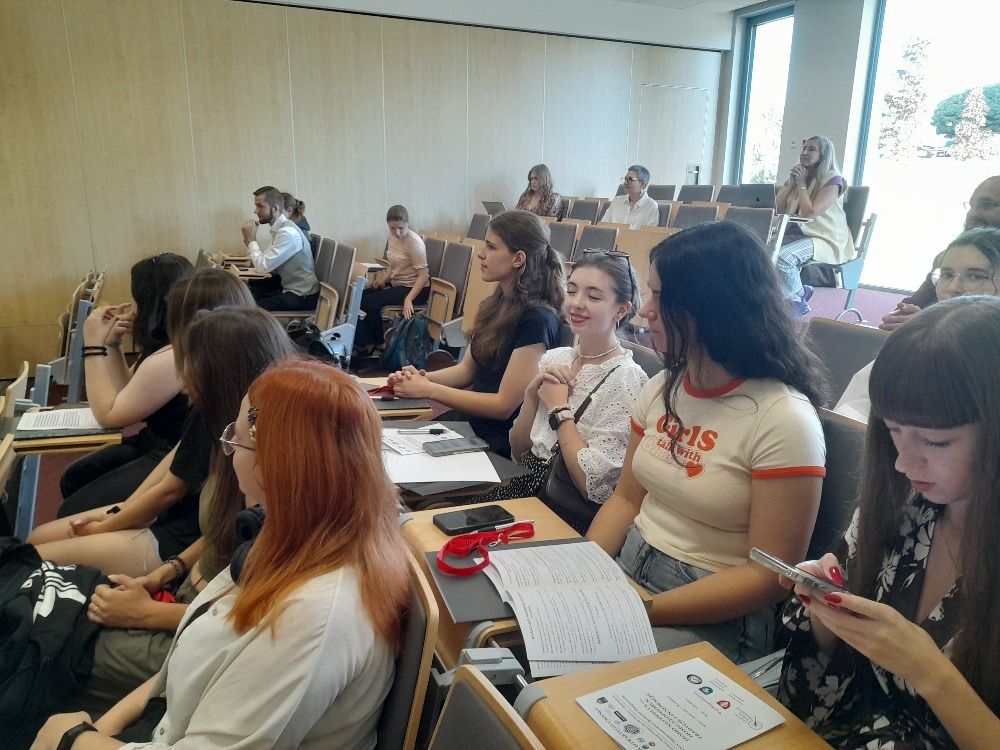
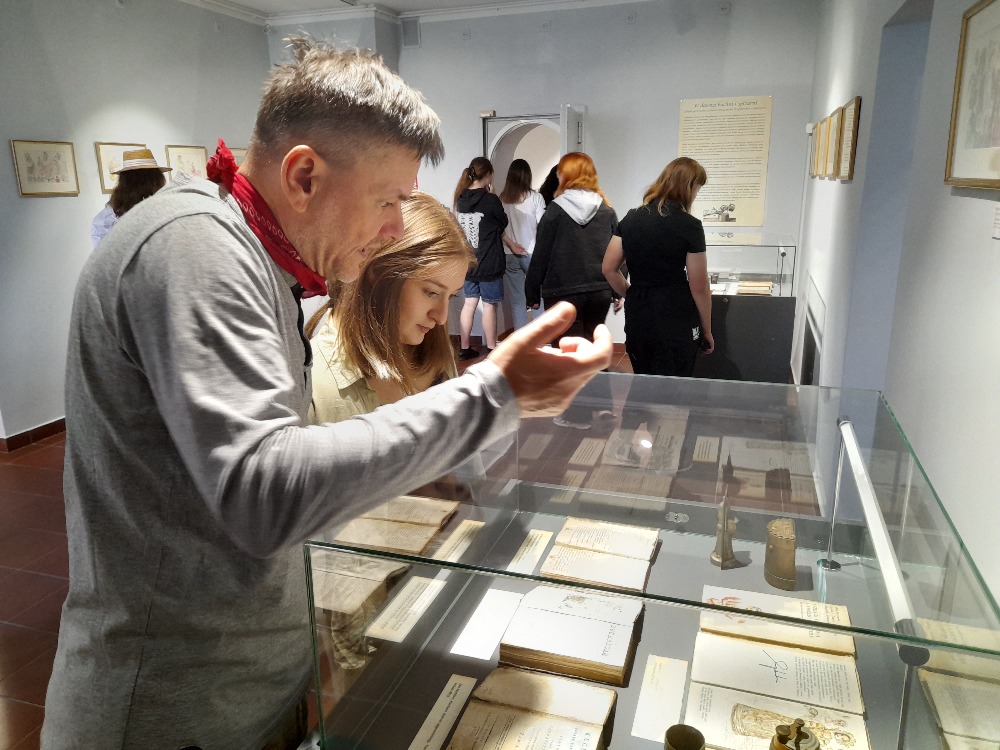
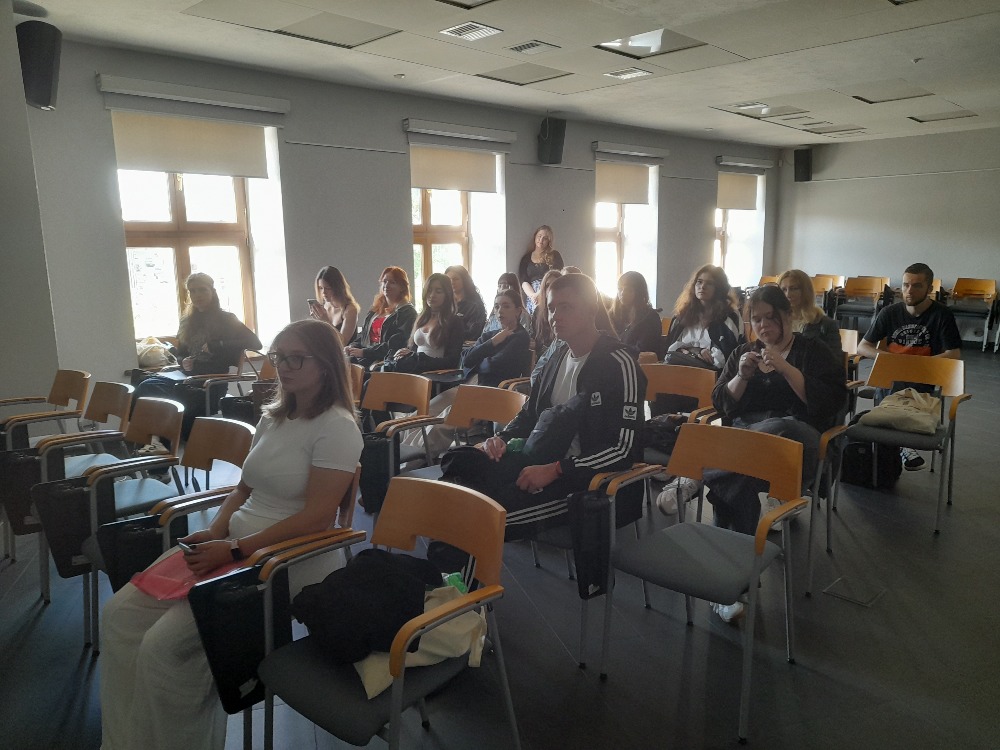
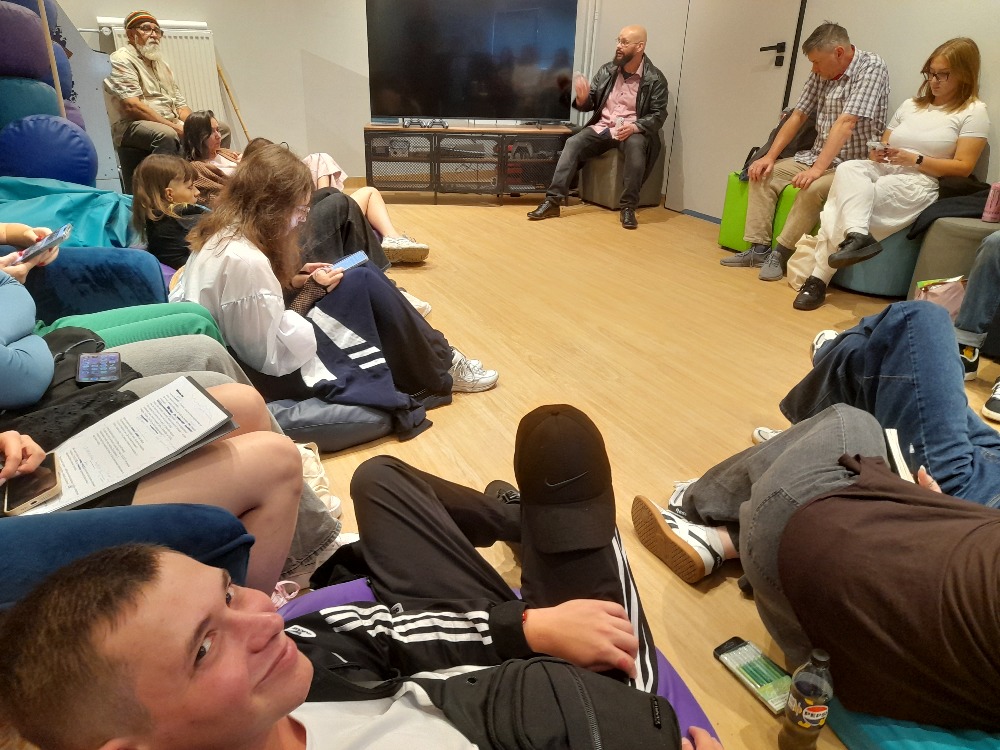
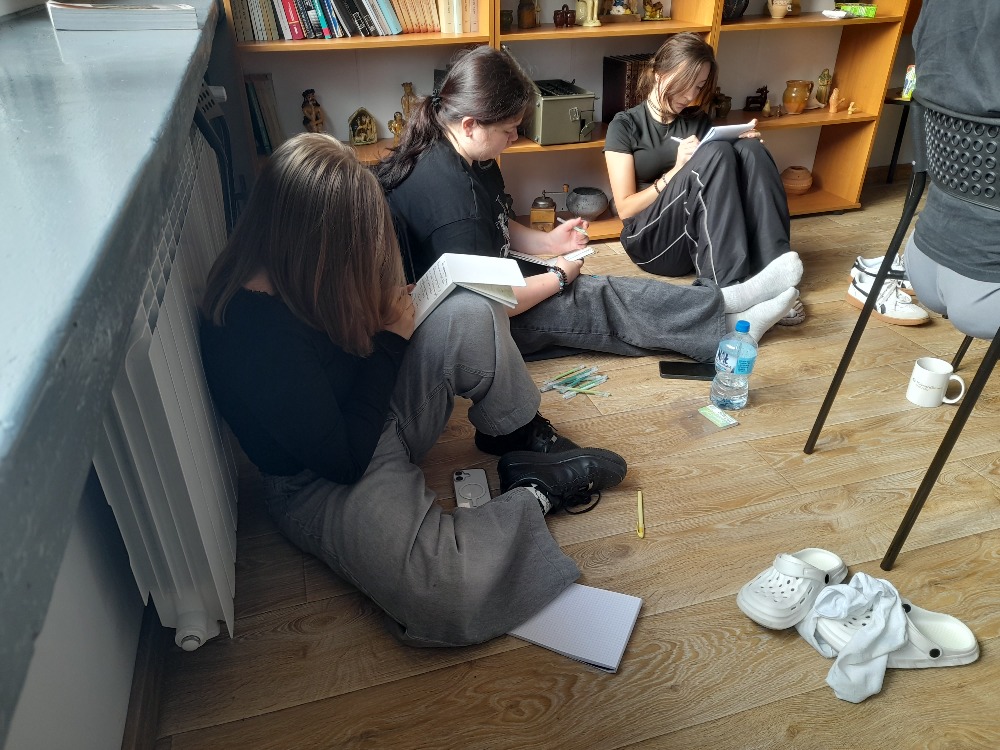
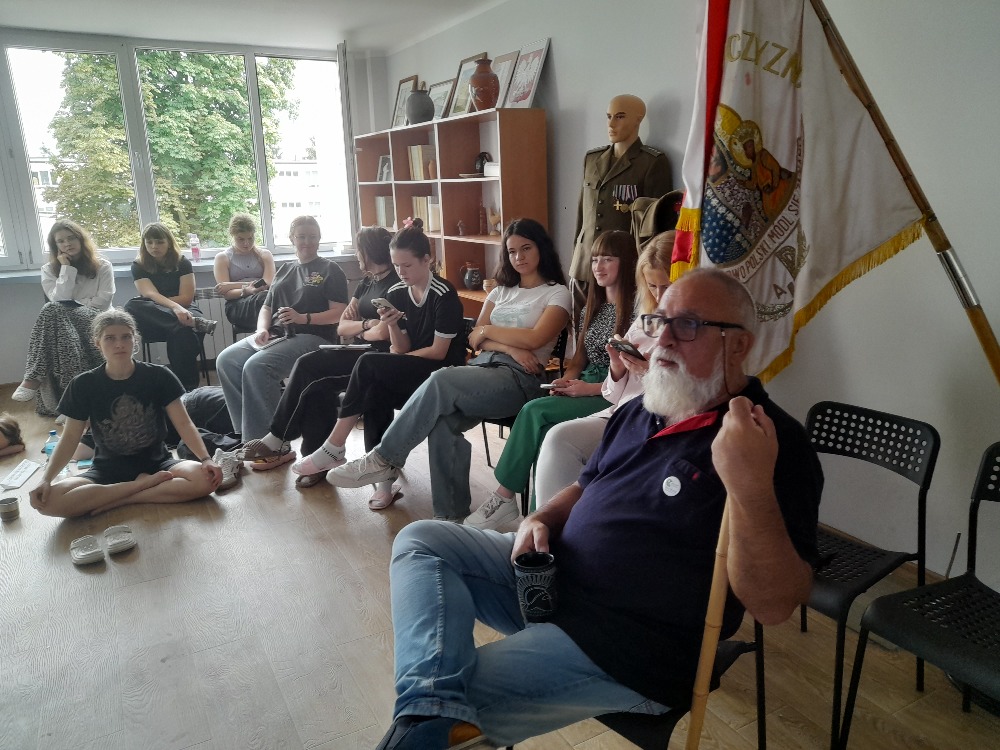
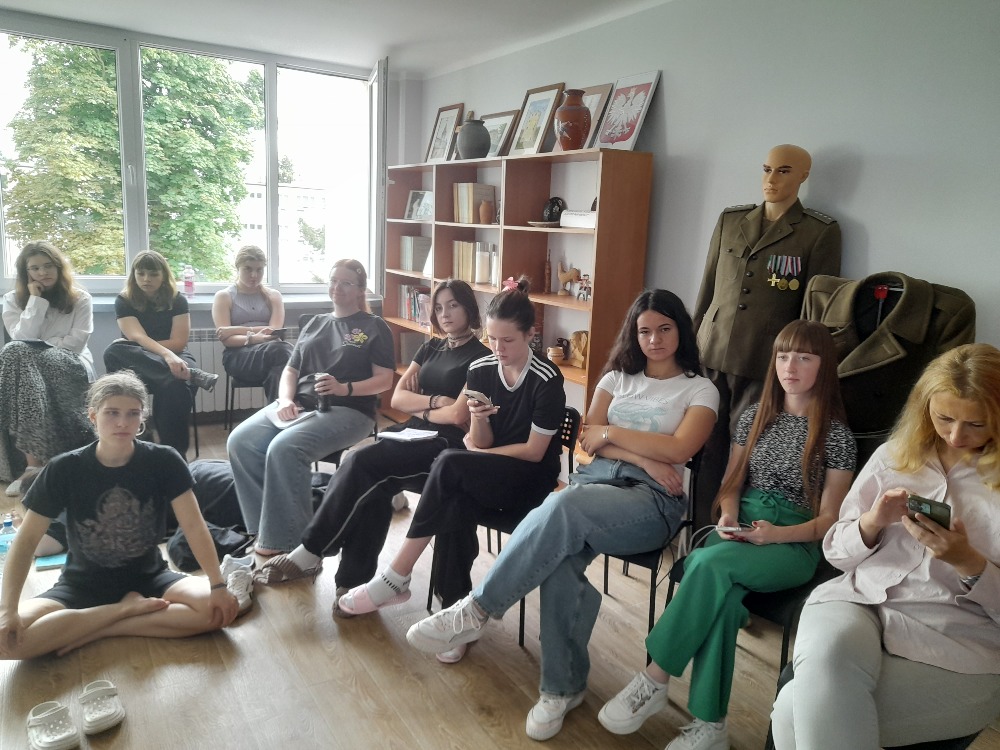
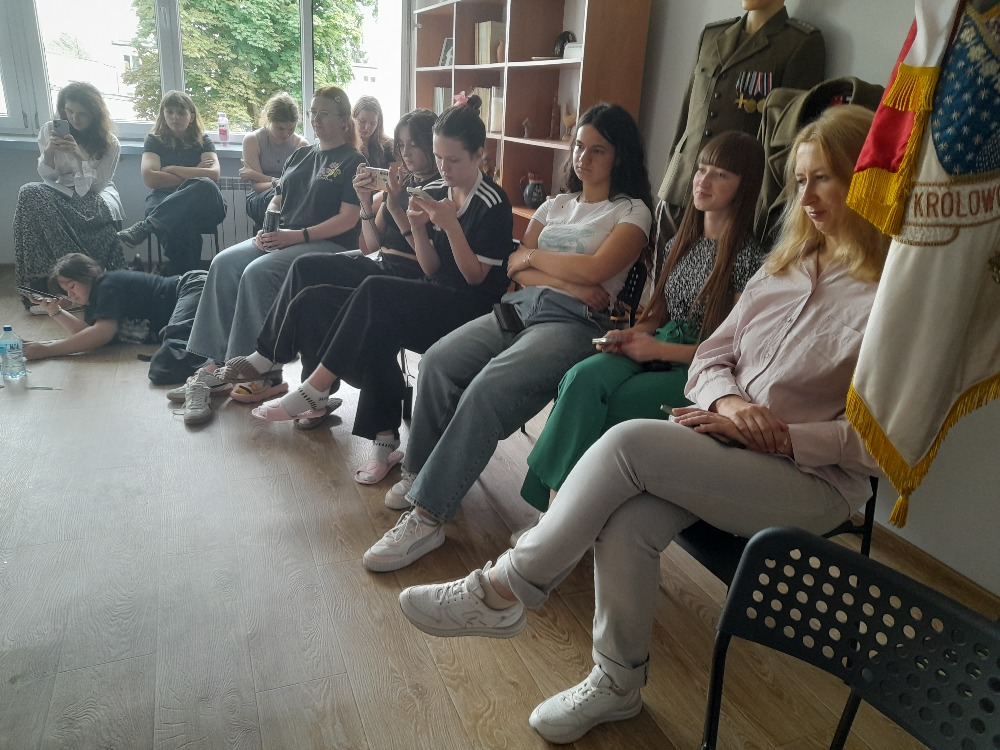
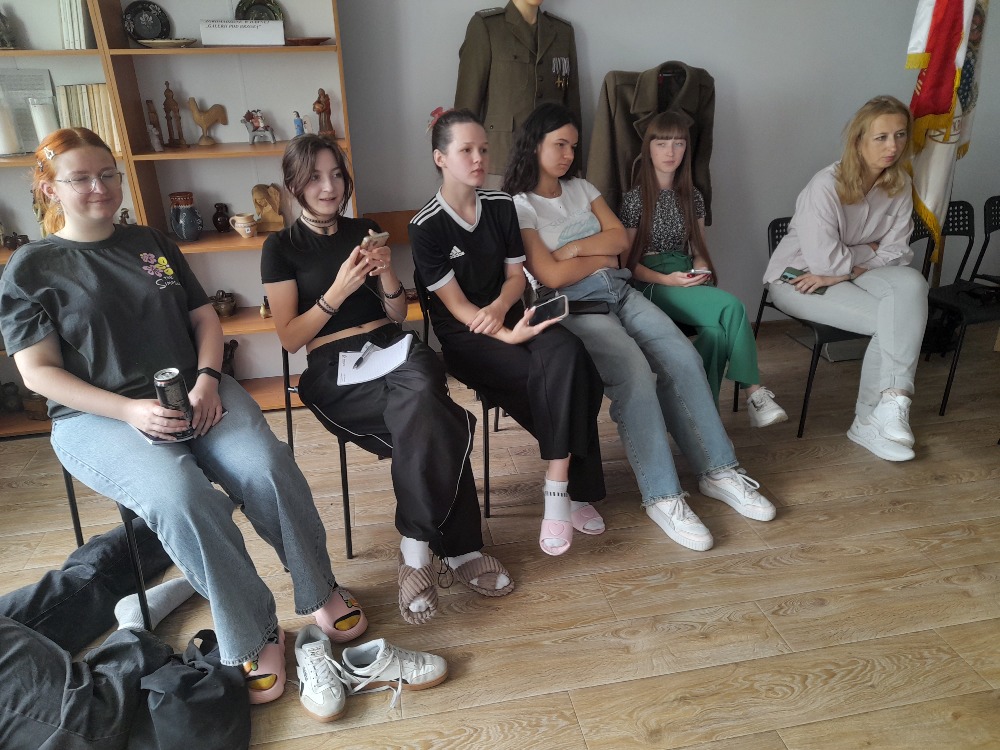
During the conversation sessions, participants could develop, among other things:
• greater fluency in spoken Polish,
• vocabulary useful in everyday and professional life,
• the ability to understand a conversation partner and respond to questions,
• confidence when interacting in a Polish-speaking environment,
• the ability to communicate in different social and professional situations.
Language conversation sessions complement other forms of support provided through the project. In the context of professional activation, knowing a language is not limited to grammar or vocabulary. Equally important is the ability to use the language in practice – during a job interview, when communicating with colleagues, following workplace instructions or handling matters related to employment.
This form of learning also allows participants to learn from one another. Group conversation provides an opportunity to discover different ways of expressing ideas, ask questions, clarify misunderstandings and gradually become more comfortable in situations where Polish needs to be used spontaneously.
Language is one of the most important tools of independence. The more easily a participant can communicate in everyday and professional situations, the easier it becomes to use available services, build relationships, look for employment and find their way in a new environment.
The language conversation sessions are one of the activities carried out as part of the public task “INTEURO Profesja – a programme for the professional and social activation of foreigners”. The project combines activities aimed at developing professional, language and social competences so that participants can function more effectively in the Polish labour market and increase their independence.
The project is implemented by the Integration Europe – East Association in partnership with the University of the National Education Commission in Krakow – Institute of Law, Economics and Administration, the LEX Generalis Foundation, the Nadzieja Rodzinie Association and MassInternet.
Participation in the project is free of charge. Information about upcoming activities, training courses and available forms of support is published on the project website.
Have questions? Contact us
📞 Helpline:
+48 789 051 963
✉️ E-mail:
kontakt@siew.org.pl
🌐 Website:
profesja.inteuro.info
We provide support in four languages:
Polish, Ukrainian, Russian and English.

Support is provided by
Integration Europe – East Association
as part of the public task
“INTEURO Profesja – a programme for the professional and social activation of foreigners”.
The public task “INTEURO Profesja – a programme for the professional and social activation of foreigners” is financed by the Labour Fund under the 2026 Departmental Programme for the Activation of Foreigners “Together We Can Do More”.
This material reflects the author’s opinion only. The Ministry of Family, Labour and Social Policy is not responsible for the way the information contained herein is used.
Other posts
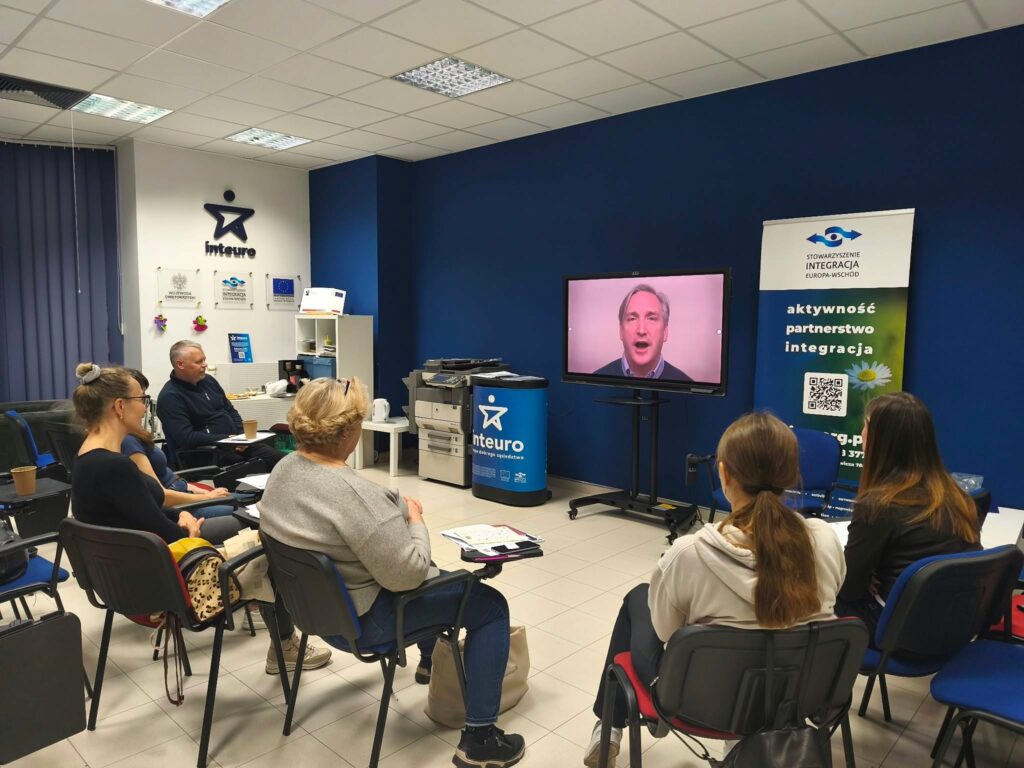
Polish for Everyday Life and Work. More Language Support Sessions with INTEURO Profession
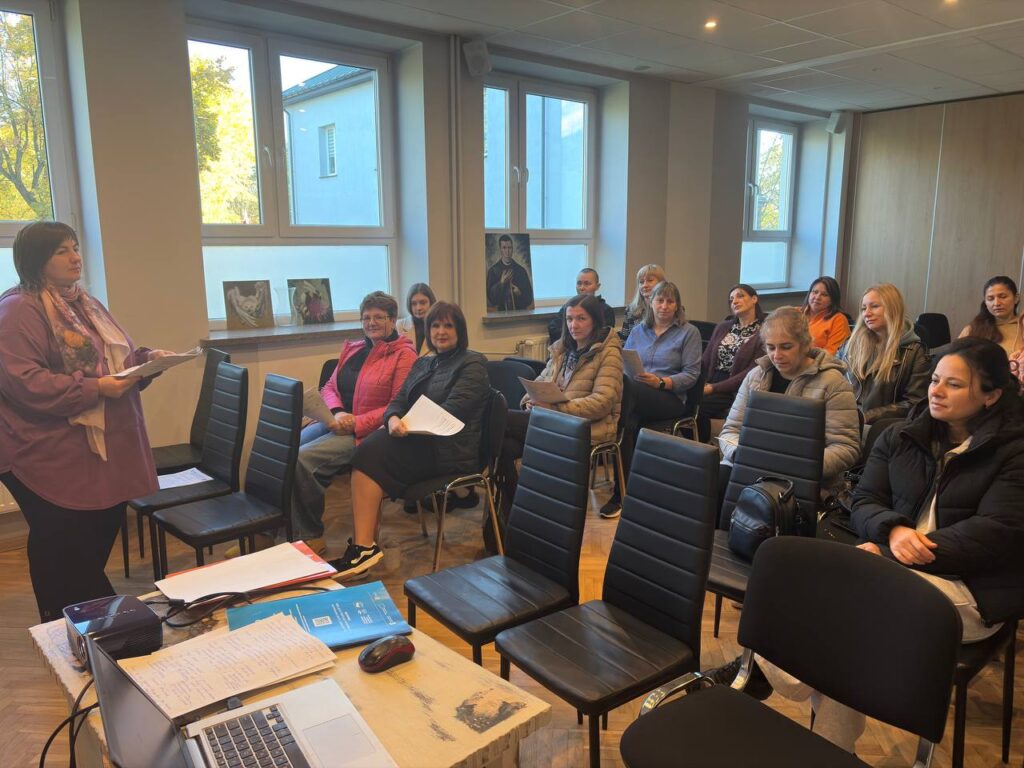
Workplace stress and burnout prevention. INTEURO Profession workshops begin
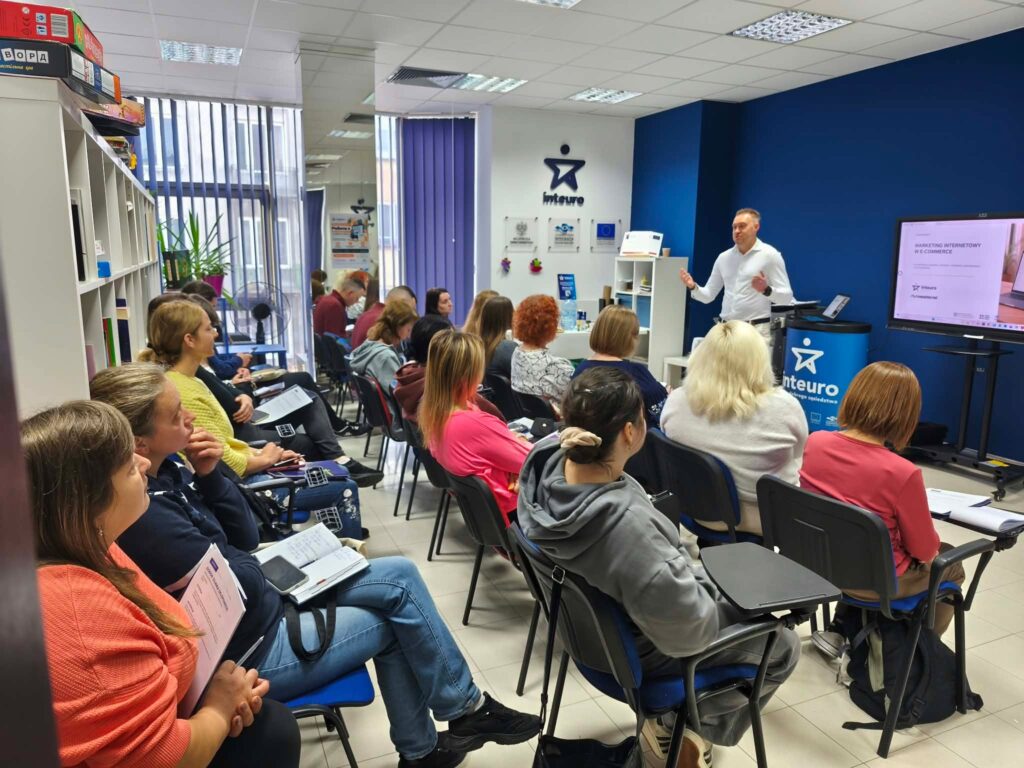
“E-commerce Start” training begins at the INTEURO Centre in Kielce
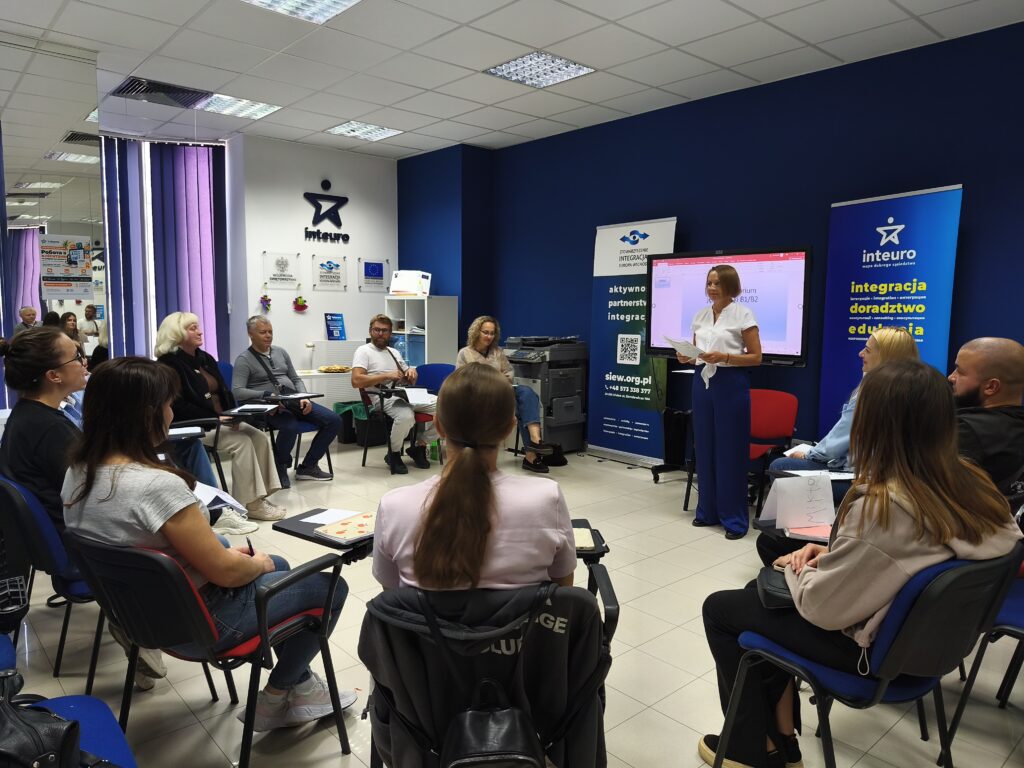
Speaking Polish with Confidence at Work and in Everyday Life — Conversation Classes Begin in the INTEURO Profession Project
Customer service and digital process support – first days of training completed